
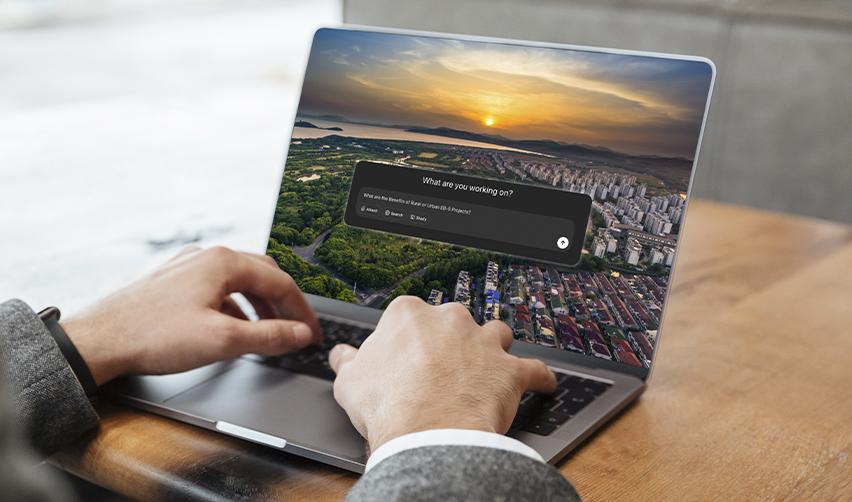
If you’re exploring the EB-5 Immigrant Investor Program as your path to a U.S. Green Card, one of the first (and most important) choices you’ll face is where to invest: a rural EB-5 project or an urban EB-5 project.
At first glance, this might sound like a simple geographic decision, but it’s actually a choice that affects your visa processing time, risk exposure, and even the likelihood of securing permanent residency.
And that’s where tools like ChatGPT can be surprisingly helpful. By combining up-to-date immigration insights with easy-to-understand analysis, ChatGPT can walk you through the complex web of EB-5 options, helping you make a decision that fits both your immigration and financial goals.
What Is the EB-5 Program?
What ChatGPT Can Help You Analyze
Choosing the Path That Fits You Best
What Is the EB-5 Program?

The EB-5 Immigrant Investor Program, administered by U.S. Citizenship and Immigration Services (USCIS), allows international investors to obtain a U.S. Green Card by investing in a job-creating enterprise.
The basic requirements are:
- Investment amount: Either $800,000 (for projects in a “targeted employment area,” or TEA, which includes rural areas and certain high-unemployment “urban” zones) or $1,050,000 (for non-TEA projects).
- Job creation: The investment must create at least 10 full-time U.S. jobs.
- At-risk capital: The investment must remain “at risk” throughout the sustainment period.
Since the EB-5 Reform and Integrity Act of 2022 (RIA), the government has added new distinctions and advantages, especially for rural projects, that can make one type of project much more appealing depending on your situation.
Rural EB-5 Projects
Under the RIA, a “rural” area means any location that’s outside a Metropolitan Statistical Area (MSA) and outside a city or town with a population of 20,000 or more. This usually corresponds to small towns, agricultural communities, or less densely developed regions.
These rural projects come with some very investor-friendly benefits:
1. Lower Minimum Investment
Like all TEA projects, rural EB-5 investments require $800,000, not $1,050,000. That difference can make entry more accessible for many investors.
2. Priority Processing
One of the biggest advantages is priority processing. USCIS has explicitly stated that rural project petitions get moved to the front of the line. In other words, rural could mean months, or even years, saved in waiting for your I-526E approval.
3. Visa Set-Asides
One of the most important advantages is the visa set-aside: 20% of the total annual EB-5 visa quota is reserved specifically for rural projects.
For investors from visa-backlogged countries like China and India, this can be a game-changer. Rather than waiting years for an available visa, a rural investor might move forward almost immediately once their petition is approved.
However, some rural projects can also carry higher execution risk. The market may be less liquid, developers might have fewer completed projects under their belt, and project exit strategies (like refinancing or resale) can take longer.
That’s why due diligence, understanding who the developer is, what the business plan looks like, and how your capital will be used, is absolutely essential.
A tool like ChatGPT can’t replace a qualified EB-5 attorney or financial advisor, but it can help you:
- Break down a regional center’s offering documents into plain English.
- Compare the job creation methodologies.
- Summarize USCIS updates that could affect your petition timeline.
Urban EB-5 Projects
These are typically large-scale developments in major cities or metropolitan areas, like luxury apartments, commercial towers, or mixed-use spaces. They may be backed by experienced developers with recognizable brand names, which can give investors more confidence in the project’s success.
High-unemployment TEA or “urban” EB-5 projects also tend to offer consistent demand, which can make cash flows more predictable. Urban projects may also prove more advantageous than rural projects when it comes to capital returns.
However, urban EB-5 investments also have their challenges, the main one being slower petition processing. This may not affect investors from low-demand countries, but for investors from India or China, rural projects combined with concurrent filing typically provide the fastest path to a Green Card.
What ChatGPT Can Help You Analyze
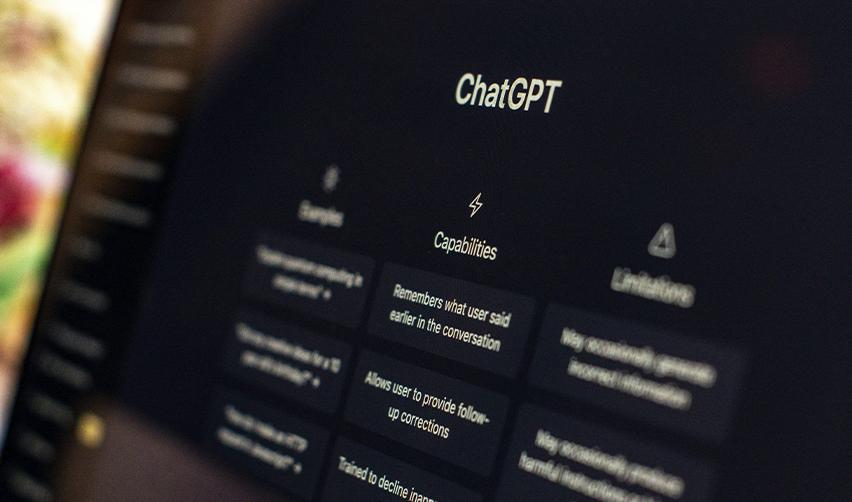
When you’re evaluating an EB-5 opportunity, ChatGPT can serve as a thinking partner.
Here’s how:
- Explaining complex terms: EB-5 documentation is packed with legal and economic jargon, like “TEA designation,” “job cushion,” “NCE vs. JCE structure.” ChatGPT can explain these terms in plain language so you know what you’re signing.
- Comparing project profiles: Give ChatGPT the general outlines of two opportunities, one rural, one urban, and it can help you build a side-by-side comparison of risks, immigration benefits, and exit timelines.
- Understanding USCIS policy updates: The EB-5 landscape changes fast. ChatGPT can pull the latest guidance from USCIS or news sources, so you’re always working with current information.
- Modeling scenarios: You can ask ChatGPT to simulate “what-if” cases. For example, what happens if job creation takes longer than expected? Or how would a potential visa backlog in set-aside categories affect my family’s timeline?
- Drafting questions for professionals: Before meeting your EB-5 attorney or regional center representative, you can use ChatGPT to draft a smart list of questions, covering both immigration and financial angles, so you don’t miss critical details.
Choosing the Path That Fits You Best

Ultimately, the choice between rural and urban EB-5 projects comes down to your priorities. If your main goal is securing a Green Card as quickly as possible, rural projects tend to offer a clear advantage thanks to priority processing. If financial predictability and comfort matter more, and you can handle the longer processing times, urban projects may feel like a safer fit. There’s no one-size-fits-all answer, as the right strategy depends on your risk tolerance, country of origin, and how urgent your immigration timeline is.
While tools like ChatGPT can help you compare options, break down complex rules, and prepare smarter questions, they’re only part of the picture. A licensed EB-5 immigration attorney, a financial advisor familiar with EB-5 investments, and proper third-party due diligence are still essential. With the right professional guidance and solid research support, you can move forward informed, confident, and aligned with your broader goals for your family and future.
EB5AN has helped more than 2,700 families from 70+ countries become lawful permanent residents of the United States. Our expert team has more than a decade of experience and offers clients first-rate, low-risk EB-5 regional center projects with a 100% USCIS project approval rate.
If you would like to know more about your EB-5 investment options, book a free call with our expert team today.