
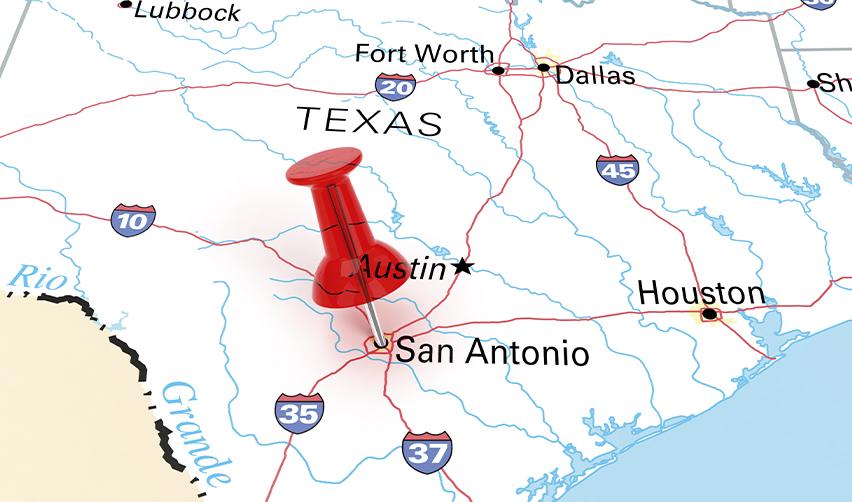
Texas has been one of the busiest EB-5 Immigrant Investor Program markets in the country for years, and that has held into 2026. Steady population growth, a wide range of qualifying rural and urban areas, and a deep bench of experienced developers keep offering projects that line up well with what EB-5 investors need: clear job creation, defined timelines, and a credible path to capital return. For investors weighing where to place an EB-5 investment this year, Texas offers depth and variety that few other states can match.
What makes Texas particularly interesting right now is how it sits at the intersection of several EB-5 trends: the rise of rural set-aside investments, continued demand for infrastructure and housing, and a maturing ecosystem of experienced developers and regional centers. For investors trying to balance risk, timeline, and compliance under the current EB-5 framework, that combination is hard to ignore.
A Growth Story That Keeps Delivering
The Rural Advantage in 2026
Real Estate Still Leads the Way
Infrastructure and Industrial Expansion
Assessing Risk in a Mature Market
Where Opportunity Meets Strategy
A Growth Story That Keeps Delivering
Cities in Texas like Austin, Dallas, and Houston continue to attract major employers, but the story doesn’t end there. Secondary and rural areas are increasingly benefiting from spillover growth, infrastructure expansion, and targeted development initiatives. This broader distribution of economic activity is especially relevant for EB-5 investors, given the program’s emphasis on job creation and, since the EB-5 Reform and Integrity Act, the advantages tied to rural investments.
Projects in high-growth states tend to have clearer demand drivers, whether that’s housing shortages, logistics needs, or commercial expansion. In Texas, those drivers are often visible and measurable. Population inflows translate into real demand for residential communities and mixed-use developments. That, in turn, supports the kind of job creation EB-5 requires.
The Rural Advantage in 2026
One of the most significant shifts in EB-5 over the past few years has been the growing importance of rural set-aside visas. These projects benefit from priority processing, which can make a meaningful difference in overall immigration timelines. For many investors, especially those from backlogged countries under the unreserved category, this has reshaped how they evaluate opportunities.
Texas is particularly well positioned here. Its vast geography means that many areas qualify as rural under EB-5 definitions while still being economically active and connected to larger metropolitan regions. This creates a kind of “best of both worlds” scenario: projects can qualify for rural incentives without being isolated or speculative.
Developers have taken note. There’s been a noticeable increase in thoughtfully structured rural EB-5 offerings across the state. These projects are often tied to broader regional growth strategies, which can provide an additional layer of confidence for investors.
Real Estate Still Leads the Way
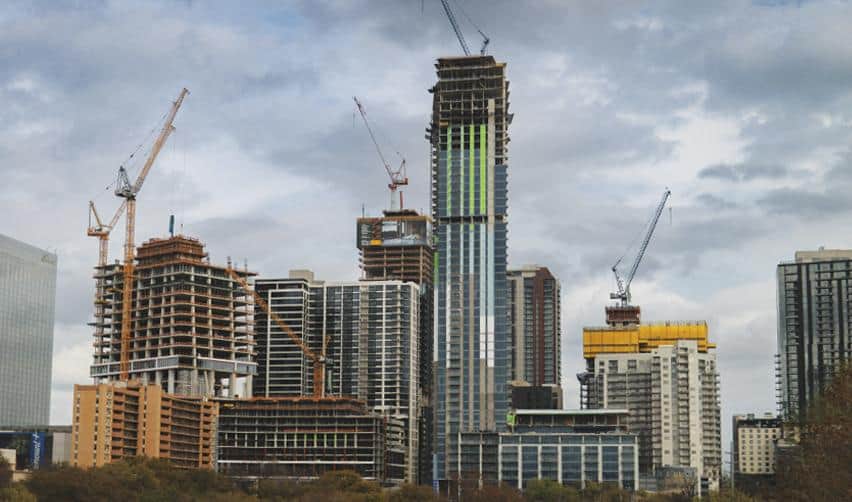
Real estate remains the backbone of EB-5 investment in Texas, and for good reason. The state’s ongoing population surge continues to put pressure on housing supply, especially in suburban and emerging areas. This has opened the door for a range of development types, from multifamily housing to master-planned communities.
What’s changed in recent years is the level of sophistication. Projects are increasingly structured with EB-5 requirements in mind from the outset. That tends to result in clearer capital stacks, more realistic job creation models, and stronger alignment between developers and investors.
At the same time, investors are asking more detailed questions and expecting better answers. Issues like loan structure, exit strategy, and job creation buffers are no longer afterthoughts. In Texas, many of the more established players have adapted to this shift, offering projects that are not only compliant, but also more transparent and investor-oriented.
Spotlight on Lakeview Landing
A good example of how these trends come together is the Lakeview Landing project in Granbury, a rural EB-5 opportunity that reflects the current direction of the market. It comes in two structures, so investors can choose the one that fits their priorities. The loan option is a secured loan with a three-year term and a defined path to capital return, which many EB-5 investors prefer. The equity option offers an above-market preferred return, currently 4% annually, over a similar three-year horizon. Both start at the $800,000 rural TEA minimum, both qualify for rural set-aside benefits, and both include an I-526E approval refund guaranty and a job creation guaranty, with the loan adding a construction completion guaranty.
What makes Lakeview Landing notable isn’t just its rural designation, but how it aligns with broader development patterns in Texas. Rather than being an isolated concept, it fits into a growing demand for residential and community-focused developments in expanding regions. That demand is a key ingredient in supporting both the financial viability of the project and its ability to generate the required jobs.
From an EB-5 perspective, projects like this tend to resonate because they address several priorities at once. They offer access to rural visa set-asides, they are tied to tangible real estate demand, and they are structured in a way that emphasizes capital preservation alongside immigration outcomes. For investors evaluating options in 2026, that combination is increasingly seen as a baseline rather than a bonus.
A Border Project Built for the Texas Market
Just across the state line, on Lake Texoma, Hard Rock Pointe Vista shows how the Texas EB-5 story stretches past the state’s own borders. It’s a rural TEA EB-5 opportunity tied to a large master-planned resort community about two hours from Dallas, and most of its expected visitor base comes from the Dallas-Fort Worth area. That gives it a Texas-driven demand picture even though the land sits in Oklahoma. Structured as a senior loan in a rural TEA, it carries the same advantages investors keep gravitating toward: priority I-526E processing and access to set-aside visas. For investors drawn to destination-scale development with a clear regional draw, it’s another example of how EB-5 capital is being put to work across the wider Texas market.
Infrastructure and Industrial Expansion
Beyond residential real estate, Texas continues to see strong activity in infrastructure and industrial development. The state’s role as a logistics and energy hub has only expanded, driven by both domestic demand and international trade dynamics. Ports, distribution centers, and manufacturing facilities are all part of the picture.
These sectors can be particularly effective for EB-5 when it comes to job creation. Large-scale projects often generate significant construction employment, as well as longer-term operational jobs. For investors, that can translate into a stronger job creation cushion, which is an important factor in reducing immigration risk.
There’s also a degree of resilience built into these industries. While real estate cycles can fluctuate, infrastructure and logistics tend to be tied to broader economic fundamentals. In a state like Texas, where those fundamentals remain strong, that can provide an additional layer of stability.
Assessing Risk in a Mature Market
Of course, opportunity doesn’t eliminate risk. If anything, a more active EB-5 market can make it harder to distinguish between stronger and weaker projects. Texas is no exception. The sheer volume of development means that investors need to be selective, looking beyond headline claims to understand how a project is actually structured.
In 2026, due diligence is more nuanced than ever. Investors are paying closer attention to the track record of developers, the assumptions behind job creation models, and the specifics of how EB-5 funds are deployed. Rural designation, while valuable, is not a guarantee of success. It’s one factor among many.
That said, Texas does offer some advantages in this regard. The state’s long history with EB-5 means there is a relatively deep pool of experienced professionals, from developers to economists to immigration counsel. That ecosystem can make it easier to find projects that are both well-structured and well-documented.
Where Opportunity Meets Strategy

As the EB-5 program continues to evolve, Texas is likely to remain a central player. Its combination of growth, diversity, and adaptability aligns well with the program’s core objectives. For investors, the key is not just recognizing that opportunity exists, but understanding where it is most effectively deployed.
The shift toward rural investments, the continued dominance of real estate, and the emergence of more sophisticated project structures all point in the same direction. The market is becoming more refined, and with that comes both higher expectations and better options.
For those considering an EB-5 investment in 2026, Texas offers a landscape that is active but not chaotic, competitive but still accessible. Projects like Lakeview Landing illustrate how developers are responding to the current environment, blending immigration incentives with real economic demand.
More than 3,000 families from over 70 countries have selected EB-5 projects sponsored by EB5AN regional centers. Our expert team has more than a decade of experience and offers clients high-quality, low-risk EB-5 regional center projects with a 100% USCIS project approval rate.
If you would like to know more about your EB-5 investment options, book a free call with our expert team today.