
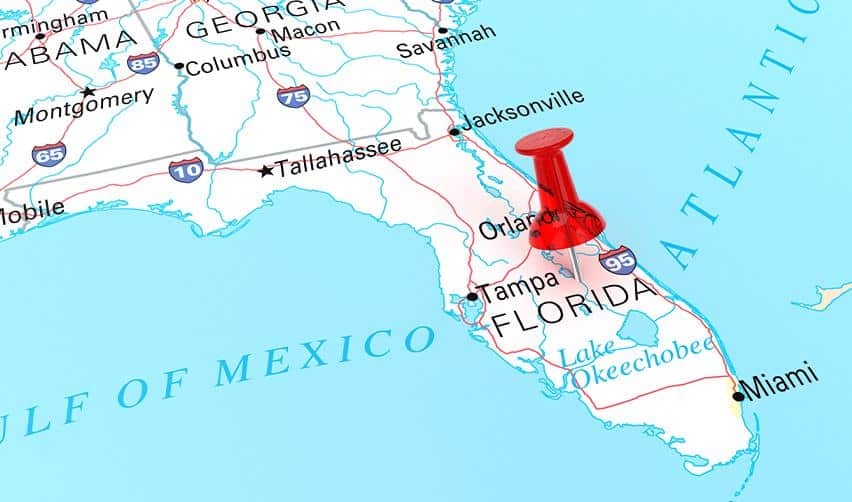
Florida continues to serve as a primary destination within the EB-5 landscape, drawing particularly strong interest from Latin American investors. This trend is rooted in a natural alignment of geography, culture, and established commercial ties, allowing investors to enter the U.S. market through a region that feels structurally and socially familiar. When combined with the updated regulatory environment under the EB-5 Reform and Integrity Act (RIA), these regional advantages create a highly practical framework for capital deployment and residency.
A Natural Geographic and Cultural Bridge
Strong and Diverse Economic Fundamentals
The EB-5 Reform and Integrity Act Effect
Real Estate Is Still the Core of Florida EB-5
Currency Considerations and Wealth Preservation
Infrastructure and Connectivity
Risk Awareness in a More Mature Market
Why Florida Continues to Stand Out
A Natural Geographic and Cultural Bridge

It is worth being clear about one thing up front. An EB-5 Green Card lets an investor live, work, and retire anywhere in the United States. The location of the project does not decide where the investor ends up living. Florida’s appeal is partly about the project pipeline and partly about being a place many Latin American families already plan to settle, and those are two separate choices. However, with a large, established Latin American community in Florida, many EB-5 investors from the region also choose to live in or around the state.
For investors from markets such as Brazil, Colombia, Mexico, and Argentina, Florida offers aligned time zones and direct travel routes. This significantly simplifies the logistics of maintaining personal and professional ties to their home countries, especially when compared to West Coast or inland U.S. markets.
Beyond geography, the state—particularly the Miami metropolitan area—benefits from deep cultural and linguistic integration. The widespread use of Spanish and Portuguese in professional environments streamlines critical business processes, from conducting initial due diligence and site visits to maintaining ongoing communication with project sponsors.
Ultimately, an EB-5 investment involves more than capital deployment; it often precedes a major life transition. For Latin American investors, this established cultural fluency removes operational friction and fundamentally lowers the perceived risk of the immigration process.
Strong and Diverse Economic Fundamentals
Florida’s economy in 2026 continues to show resilience and diversity. While tourism remains a cornerstone, it is far from the only driver. Over the past several years, the state has expanded significantly in sectors like logistics, technology, healthcare, and financial services.
This diversification is particularly relevant for EB-5 investors, who are evaluating not only immigration outcomes but also the viability of the underlying project. A hotel development tied purely to seasonal tourism might raise concerns, but a mixed-use development with residential, retail, and healthcare components offers multiple revenue streams.
Population growth is another key factor. Florida remains one of the fastest-growing states in the U.S., fueled by both domestic migration and international inflows. That sustained demand supports real estate development, infrastructure expansion, and job creation; all central to EB-5 eligibility.
The EB-5 Reform and Integrity Act Effect

The EB-5 Reform and Integrity Act (RIA) continues to shape investor behavior in 2026, and Florida projects are well-positioned within this framework. One of the most important changes was the introduction of set-aside visa categories, particularly for rural and urban high-unemployment targeted employment area (TEA) projects.
Many Florida developments qualify under the high-unemployment TEA designation, especially in targeted urban pockets. For Latin American investors, who historically have not faced the same visa backlogs as some other regions, the set-asides still provide a meaningful advantage: faster processing timelines and greater predictability.
Equally important is the increased transparency and compliance requirements introduced by RIA. While these rules raised the bar for project sponsors, they also boosted investor confidence. Florida, with its large number of experienced regional centers and developers, has adapted relatively quickly. The result is a pipeline of projects that tend to be better structured, more thoroughly documented, and more aligned with investor expectations.
Real Estate Is Still the Core of Florida EB-5
Real estate continues to dominate the EB-5 landscape in Florida, and for good reason. The projects are backed by physical assets in high-demand locations, which makes the underlying business easier to understand and assess.
In 2026, we’re seeing a continued emphasis on mixed-use developments. But increasingly, investors are also paying attention to well-structured multifamily housing developments, particularly those that combine strong fundamentals with conservative financing structures.
A good example of this trend is the Brandon Multifamily project. Located in the Tampa-area submarket of Brandon, this development is a 280-unit apartment community designed to meet sustained housing demand in a growing urban corridor.
What makes this project particularly notable is not just the asset class, but the structure. It is offered as a loan-based EB-5 investment with a relatively short projected term of around three years, paired with a repayment guaranty from an established developer group.
The same project is also offered as an equity-based EB-5 investment, paying a 5% annual preferred return over a similar three-year term, with the same I-526E approval refund and job creation guaranties.
For many Latin American investors, this combination is compelling. Multifamily housing is a familiar and resilient asset class, and a shorter investment horizon can align better with personal liquidity planning. At the same time, the project remains rooted in a real, growing market, exactly the kind of balance investors are increasingly seeking in 2026.
Currency Considerations and Wealth Preservation
Another layer that often drives interest is currency stability. Many Latin American economies experience varying degrees of currency volatility, inflation, or capital controls.
Investing in a U.S.-based EB-5 project denominated in dollars can serve a dual purpose. It’s not just about securing a Green Card; it’s also about moving capital into a more stable financial environment. Florida, given its familiarity and accessibility, becomes a preferred entry point for that transition.
In 2026, this dynamic remains relevant. While some regional economies have stabilized, the long-term desire for diversification and capital preservation continues to influence investor decisions.
Infrastructure and Connectivity
Florida’s infrastructure investments also play a role in its EB-5 attractiveness. Expansion in ports, airports, and transportation networks continues to support both economic growth and specific project viability.
For example, logistics hubs tied to trade with Latin America and the Caribbean create opportunities for industrial and warehousing developments that qualify for EB-5. Similarly, improvements in rail and highway systems support large-scale residential and mixed-use projects.
In the case of developments like the Brandon Multifamily project, proximity to established transportation corridors and employment centers becomes part of the investment thesis, reinforcing both rental demand and long-term value.
Risk Awareness in a More Mature Market
It’s worth noting that the Florida EB-5 market in 2026 is more mature than it was a decade ago. That’s a positive development, but it also means investors need to be more discerning.
Not every project is equal. While the overall environment is stronger, due diligence remains critical. Investors are paying closer attention to job creation methodologies, developer track records, and capital stack structures.
Projects like Brandon Multifamily reflect how the market is evolving in response to this scrutiny; toward clearer structures, defined timelines, and experienced sponsors. Still, the responsibility ultimately remains with investors to evaluate each opportunity carefully.
Why Florida Continues to Stand Out
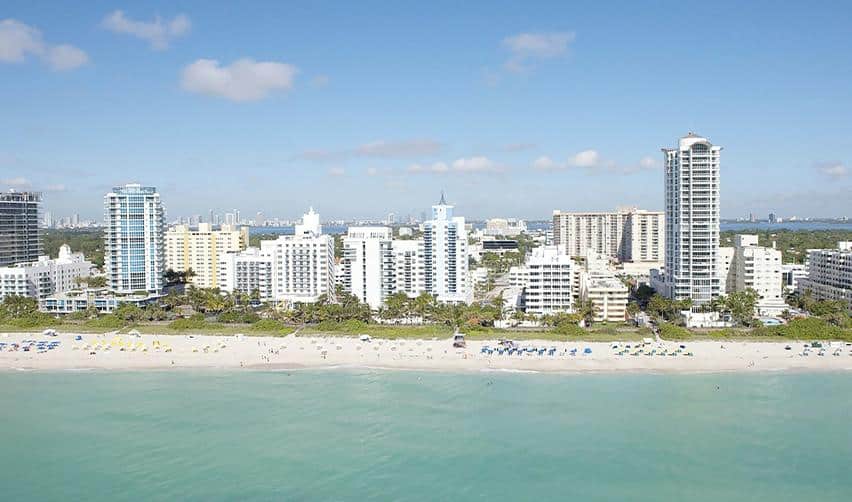
Florida’s pull comes from several things at once: easy access, a diverse and growing economy, cultural familiarity, and a deep bench of experienced developers working under stricter RIA rules. Add a pipeline of projects built around real assets, defined timelines, and structures that fit both immigration and financial goals, and the case for Florida holds up well into 2026.
More than 3,000 families from over 70 countries have selected EB-5 projects sponsored by EB5AN regional centers. Our expert team has more than a decade of experience and offers clients high-quality, low-risk EB-5 regional center projects with a 100% USCIS project approval rate.
If you would like to know more about your EB-5 investment options, book a free call with our expert team today.