
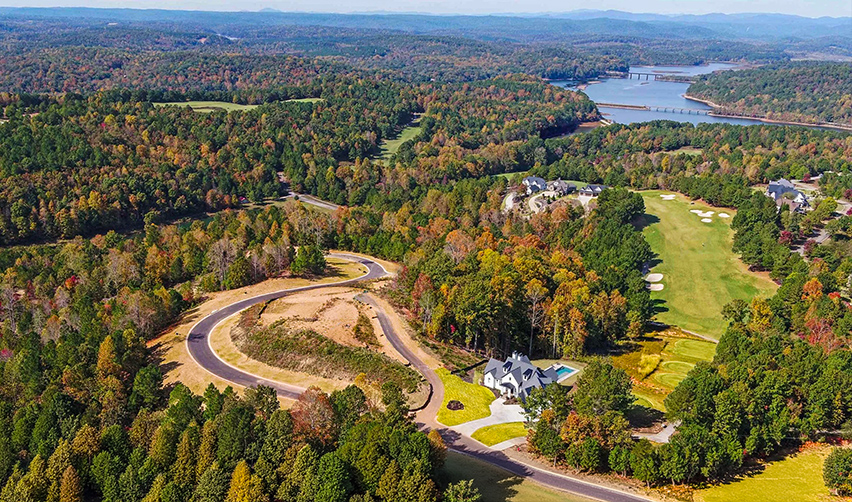
Rural projects have become the most sought-after category in the EB-5 Immigrant Investor Program, and for good reason. They combine the lower $800,000 investment threshold with the largest pool of reserved visas and the fastest United States Citizenship and Immigration Services (USCIS) processing available anywhere in the program.
Not every rural project deserves your capital, though. The label “rural” tells you where a project sits on a map, not whether it will protect your investment or deliver your Green Card. This guide explains what separates the best rural EB-5 projects from the rest, so you can evaluate offerings with a clear framework before you commit.
What Counts as a Rural EB-5 Project
Why Rural Projects Lead the EB-5 Program in 2026
Immigration Criteria
Financial Criteria
Sponsor Track Record
Why 2026 Matters for Rural Investors
How to Start Your Rural EB-5 Due Diligence
What Counts as a Rural EB-5 Project
Under the EB-5 Reform and Integrity Act of 2022 (RIA), a rural area is a location outside a metropolitan statistical area (MSA) and outside a city or town with a population of 20,000 or more. A project in a qualifying rural location is a type of targeted employment area (TEA) project, which means the minimum investment is $800,000 rather than the standard $1,050,000.
The definition is purely geographic. It says nothing about the quality of the development, the strength of the developer, or the security of the capital structure. Two projects can both qualify as rural while presenting completely different risk profiles. That is why the criteria below matter.
Why Rural Projects Lead the EB-5 Program in 2026
The RIA reserved 20% of all EB-5 visas each fiscal year for rural investors, the largest set-aside in the program. High-unemployment area (urban) projects receive 10% and infrastructure projects receive 2%. Rural is also the only category that qualifies for USCIS priority processing of Form I-526E (Immigrant Petition by Regional Center Investor), and many rural investors have received I-526E approvals in less than a year.
Investors already in the United States on a valid visa gain one more advantage. Because the rural category is current, they can file Form I-485 (Application to Register Permanent Residence or Adjust Status) at the same time as the I-526E. Concurrent filing allows them to receive work authorization and travel permission while the petition is pending.
Immigration Criteria
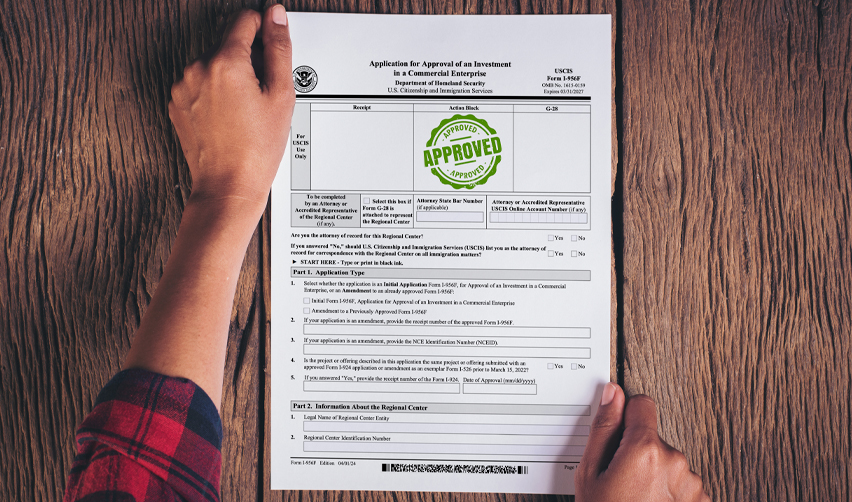
When comparing rural projects, prioritize the factors that directly affect your immigration outcome.
I-956F Approval From USCIS
Form I-956F (Application for Approval of an Investment in a Commercial Enterprise) is the project-level application a regional center files with USCIS. An approved I-956F means USCIS has already reviewed the project’s business plan, economic analysis, and TEA designation. Projects with I-956F approval carry meaningfully less adjudication risk than projects whose applications are still pending.
A Large Job Creation Buffer
Every EB-5 investor must create at least 10 full-time jobs for qualifying United States workers. Regional center projects can count direct, indirect, and induced jobs, calculated through an economic model. The best rural projects do not stop at the minimum. Look for a substantial job cushion above the 10-jobs-per-investor requirement, so that even if construction costs shift or timelines slip, every investor’s job creation requirement is still covered.
Jobs Already Created or Underway
A project where construction has started, or where spending has already generated jobs, carries far less immigration risk than one that exists only on paper. Ask the sponsor how many jobs the economic model attributes to spending that has already occurred.
Financial Criteria
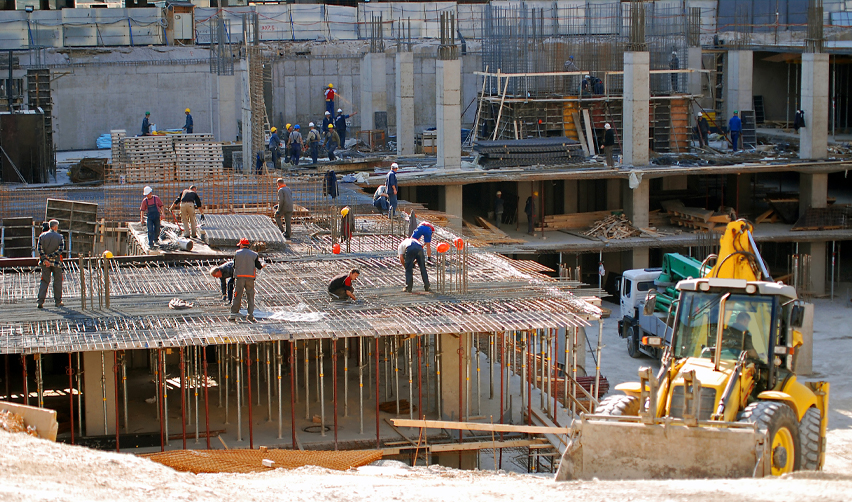
EB-5 capital must be at risk, so no project can guarantee repayment. Strong projects still take real steps to reduce that risk.
Position in the Capital Stack
Understand where EB-5 money sits relative to other funding sources. Senior loan positions are repaid before mezzanine debt or equity. If the EB-5 tranche is structured as a loan, ask about collateral, the loan term, and what happens if the developer defaults.
Low Reliance on EB-5 Capital
The best rural projects do not depend on EB-5 fundraising to finish construction. Look for projects where EB-5 capital is a modest share of the total budget and where the developer has committed significant equity of its own. A developer with real money at stake behind your position has a strong incentive to complete the project.
Completion and Repayment Safeguards
Ask whether the project offers guaranties, such as a completion guaranty from the developer, and review the refund terms if your I-526E petition is denied. Reputable sponsors put these protections in writing in the offering documents, not just in marketing materials.
Sponsor Track Record
A rural project is only as strong as the regional center and developer behind it. Before investing, verify:
- USCIS project approval history. How many of the sponsor’s prior projects have received approval, and how have investor petitions fared?
- Repayment history. Has the sponsor returned capital to investors in past projects on schedule?
- Experience with rural deals specifically. Rural development involves different market dynamics than urban construction. Sponsors with completed rural projects have already proven they can execute in these markets.
- Transparency. Strong sponsors provide regular construction updates, audited financial information, and direct access to their team for questions.
Independent verification matters here. Speak with the sponsor’s past investors if possible, and have an experienced EB-5 immigration attorney and, where appropriate, a securities attorney review the offering documents before you sign.
Why 2026 Matters for Rural Investors
Two statutory dates make this year unusually important. The RIA authorized the regional center program through September 30, 2027. Separately, the RIA’s grandfathering provision protects only those investors who file Form I-526E on or before September 30, 2026. A grandfathered petition must continue to be processed by USCIS even if Congress does not reauthorize the program, and it locks in the current $800,000 rural investment amount even if thresholds later rise. The RIA also calls for the investment minimums to be adjusted for inflation, with the next adjustment window arriving in 2027.
Petitions filed after September 30, 2026 remain valid while the program is authorized, but they lose the statutory protection against a lapse. Preparing an EB-5 filing typically takes time once you account for project due diligence, source-of-funds documentation, and petition preparation, so investors targeting the deadline should begin now.
Why 2026 Matters for Rural Investors
The best rural EB-5 projects combine a genuine rural TEA location, I-956F approval, a wide job creation buffer, a protected position in the capital stack, limited dependence on EB-5 funding, and a sponsor with a verifiable record of approvals and repayments. Any project you seriously consider should be able to demonstrate all of these in writing.
More than 3,000 families from over 70 countries have selected EB-5 projects sponsored by EB5AN regional centers. Our expert team has more than a decade of experience and offers clients high-quality, low-risk EB-5 regional center projects with a 100% USCIS project approval rate.
If you would like to know more about your EB-5 investment options, book a free call with our expert team today.