

An EB-5 investment is one of the largest financial decisions most families ever make, and it carries two goals at once: a US Green Card and the eventual return of your capital. The project you choose determines whether both goals are realistic. Marketing materials rarely tell you what you need to know, so the burden of asking the right questions falls on you.
This article walks through the questions that matter most before you commit funds to an EB-5 project. Each one targets a specific risk: immigration risk, financial risk, or timing risk. Ask them all, and insist on documented answers.
Does the Project Qualify for the $800,000 TEA Minimum?
Which Visa Set-Aside Category Does the Project Fall Under?
How Will the Project Create the Required 10 Jobs?
Where Does EB-5 Capital Sit in the Capital Stack?
How and When Will Your Investment Be Repaid?
What Is the Track Record of the Developer and the Regional Center?
Has USCIS Reviewed the Project?
Why Timing Matters Before September 30, 2026
Choosing a Project With EB5AN
Does the Project Qualify for the $800,000 TEA Minimum?
Under the EB-5 Reform and Integrity Act of 2022 (RIA), the minimum investment is $1,050,000 for a standard project and $800,000 for a project located in a targeted employment area (TEA) or a qualifying infrastructure project. A TEA is either a rural area (outside any metropolitan statistical area and outside any town of 20,000 or more people) or a high-unemployment area where the unemployment rate is at least 150% of the national average.
The first question is simple: does the project actually qualify, and can the sponsor prove it? Ask for the TEA analysis, the census data behind it, and confirmation that the designation follows the RIA’s rules. United States Citizenship and Immigration Services (USCIS) now controls high-unemployment TEA designations, so a vague assurance from a sales team is not enough. If the TEA claim fails, your required investment jumps by $250,000 and your petition may face serious problems.
Which Visa Set-Aside Category Does the Project Fall Under?
The RIA reserves a portion of EB-5 visas each year: 20% for rural projects, 10% for high-unemployment projects, and 2% for infrastructure projects. These reserved categories matter enormously for investors born in countries with visa backlogs.
Ask which category the project falls under and what the sponsor’s own analysis says about demand in that category. Rural projects currently receive the largest set-aside allocation and are also eligible for priority processing of Form I-526E, the petition regional center investors file.
How Will the Project Create the Required 10 Jobs?
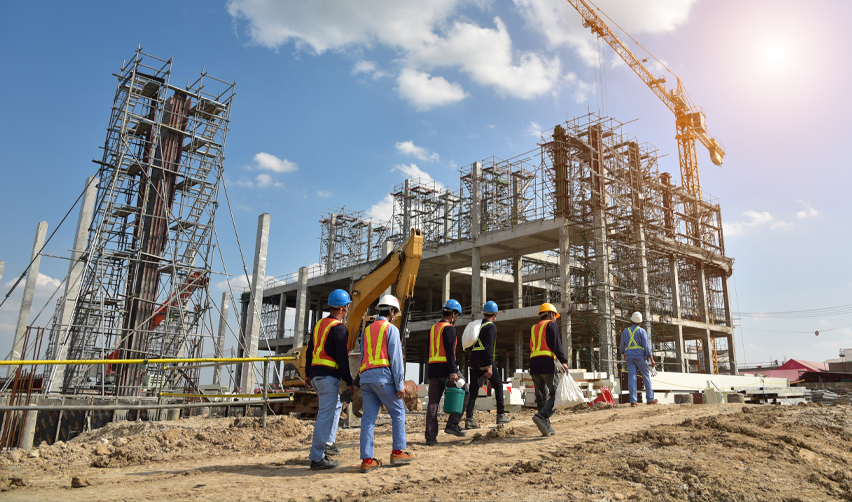
Every EB-5 investor must create at least 10 full-time jobs for US workers. Regional center projects can count direct, indirect, and induced jobs calculated through accepted economic models, which is one reason most investors choose this route.
The key question is the job cushion. If a project needs to create 1,000 jobs to cover all its investors and the economic study projects exactly 1,000, there is no margin for error. Look for projects whose projected job creation comfortably exceeds the total required for all EB-5 investors, ideally by a wide margin. Ask what share of the jobs comes from construction spending already underway, since jobs tied to completed or in-progress construction are far more certain than jobs projected from future revenue. Also ask what happens to your petition if the project creates fewer jobs than expected.
Where Does EB-5 Capital Sit in the Capital Stack?
The capital stack is the ordering of all money in the project: senior debt, mezzanine debt, preferred equity, common equity, and the EB-5 tranche. Your repayment priority depends on where EB-5 sits in that stack.
Ask these questions directly. Is the EB-5 investment structured as a loan or as equity? Who gets repaid first if the project underperforms? How much of the total project cost does EB-5 capital represent? A project where EB-5 is a modest slice of the budget, backed by substantial developer equity and committed senior financing, carries a very different risk profile from one that depends on EB-5 money to break ground. Ask whether the developer has significant cash equity in the deal. A developer with real money at stake shares your incentive to finish the project.
How and When Will Your Investment Be Repaid?
EB-5 capital must remain at risk, so no project can guarantee repayment. What a well-structured project can offer is a clear, documented repayment plan. Ask for the loan term, the maturity date, any extension options, and the intended source of repayment (typically a refinance or sale of the completed asset).
Read the offering documents rather than relying on conversations. The private placement memorandum discloses the risks, the loan agreement sets the repayment terms, and the two should tell a consistent story. If the sponsor cannot explain in plain language how investors get their money back, treat that as an answer in itself.
What Is the Track Record of the Developer and the Regional Center?
A strong project on paper still depends on the people executing it. Ask how many EB-5 projects the regional center has sponsored, how many investor petitions have been approved, and whether any project has failed to repay investors. Ask the same about the developer: how many comparable projects has it completed, and how did they perform?
The RIA added compliance obligations for regional centers, including annual statements to USCIS and contributions to the EB-5 Integrity Fund. A regional center that treats these duties seriously, and can show its compliance history, is telling you something about how it will handle your petition records for years to come.
Has USCIS Reviewed the Project?
Before investors can file petitions, the regional center must file Form I-956F, the project application, with USCIS. Ask whether the I-956F has been filed and whether it has been approved. An approved I-956F means USCIS has already reviewed the project’s business plan, economic study, and offering documents, which removes a layer of uncertainty from your own I-526E petition. If approval is still pending, ask when the form was filed and what the sponsor expects.
Why Timing Matters Before September 30, 2026

The RIA reauthorized the regional center program through September 30, 2027, but its grandfathering protection ends a year earlier. An I-526E petition filed on or before September 30, 2026 must continue to be adjudicated, and visas must continue to be issued, even if the program later lapses or expires. Petitions filed after that date do not carry this statutory protection.
There is a second deadline behind the first. The RIA requires an inflation adjustment to the minimum investment amounts on January 1, 2027. Industry analyses project the TEA minimum will rise from $800,000 to roughly $900,000 or more. Investors who file before the adjustment keep the current amounts for the life of their case.
Neither deadline should push you into a project you have not vetted. But if you have done the diligence and found a project that answers every question above, filing before September 30, 2026 secures protections that later filers will not have.
Choosing a Project With EB5AN
The questions in this article share one theme: demand evidence, not assurances. A trustworthy sponsor will welcome them and answer with documents.
More than 3,000 families from over 70 countries have selected EB-5 projects sponsored by EB5AN regional centers. Our expert team has more than a decade of experience and offers clients high-quality, low-risk EB-5 regional center projects with a 100% USCIS project approval rate.
If you would like to know more about your EB-5 investment options, book a free call with our expert team today.