

The EB-5 Immigrant Investor Program offers a clear benefit: a path to a U.S. Green Card paired with the potential for a financial return. That benefit comes with real responsibility. A qualifying investment of $800,000 in a targeted employment area (TEA) or $1,050,000 outside one is a major commitment, and the immigration result depends on the project performing as planned. The EB-5 market keeps changing, and so do the factors that determine whether a project is sound. A safe project is the result of careful evaluation at every stage. Developer reputation and a polished marketing package tell you very little on their own.
Understanding the EB-5 Framework Today
The Developer’s Track Record
Financial Transparency and Structure
Job Creation Credibility
Legal Compliance and Regulatory Standing
Exit Strategy and Investment Liquidity
Economic and Market Considerations in 2026
Partnering With Reputable Intermediaries
Ensuring a Smooth EB-5 Journey
Understanding the EB-5 Framework Today
Start with the basics. The EB-5 program relies on foreign nationals investing in U.S. projects that create at least ten full-time jobs for U.S. workers. Almost all investments are made through regional centers, which pool several investors into a single project and use accepted economic models to count direct, indirect, and induced jobs.
The U.S. Citizenship and Immigration Services (USCIS) reviews filings carefully, looking at job creation figures alongside the financial viability and legal compliance of the project itself. Investors should expect that level of scrutiny and prepare for it.
The Developer’s Track Record
The developer is the first thing to examine. A solid track record means more than a list of completed buildings. It means delivering projects on time, on budget, and in compliance with U.S. regulations. The EB-5 market has seen projects promise fast returns and then fall short because of weak planning or financial overreach. A credible developer will discuss past projects openly, including the ones that ran into trouble, and explain how those experiences shaped the way they manage risk on current developments.
The type of project matters as well. Residential developments, hotels, and mixed-use commercial properties each carry a different risk profile. Luxury hotels tend to be more exposed to economic cycles, while multifamily residential projects often see steadier demand. Understanding the market a project serves is as important as understanding the people building it.
Financial Transparency and Structure

Financial transparency is one of the most important factors in choosing a sound EB-5 project. Ask for detailed financial projections and the assumptions behind them. Are the estimates for occupancy, sales, and revenue conservative? Is there a contingency plan if the numbers come in low? USCIS examiners and experienced investors both question projections that run ahead of what the market supports, and that scrutiny has only grown stricter.
The capital structure deserves equal attention. Investors should know where their EB-5 capital sits in the project’s financing. A senior secured position offers stronger downside protection than a subordinate one, because senior lenders are repaid first if a project runs into difficulty. It is also worth looking at how much the project depends on debt. A project carrying heavy leverage is more fragile in a downturn, and financial trouble for the project can put both the investment and the immigration outcome at risk.
Job Creation Credibility
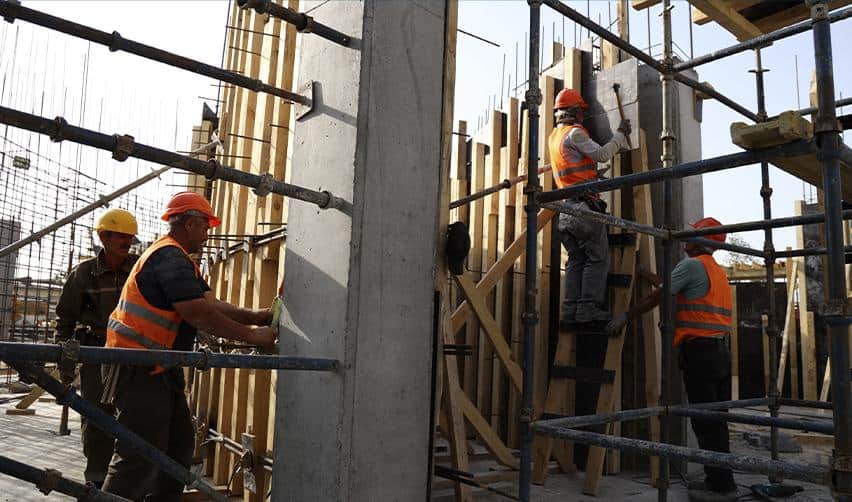
Job creation is the foundation of EB-5 compliance, and the way those jobs are counted can be complex. Many projects rely on economic models that estimate indirect and induced jobs in addition to direct hires. These models are legitimate when they are realistic and backed by verifiable economic data.
Ask how the jobs will be documented and whether a qualified economist has prepared and signed the projections. Regional center projects often apply multipliers to base employment figures, and a credible project can explain the assumptions behind those multipliers in plain terms. Economic modeling that no one can explain clearly is a warning sign.
Legal Compliance and Regulatory Standing
Legal review is another area where due diligence cannot be skipped. A project must comply with USCIS rules as well as local zoning, environmental, and labor requirements. Enforcement is rigorous, and approvals granted under looser conditions in the past are no guarantee today.
Ask for the project’s legal history. Have there been major disputes with authorities? Are all permits in place? Small legal ambiguities can stall a project and, with it, an EB-5 petition. Working with an immigration attorney experienced in EB-5 is a standard part of responsible due diligence.
Exit Strategy and Investment Liquidity
The exit strategy often gets less attention than it deserves amid the focus on immigration benefits. EB-5 investors generally expect to recover their capital once a project meets its job creation and development milestones. Liquidity varies widely. Some projects have clear exit mechanisms, such as the sale of completed units or refinancing, while others depend entirely on long-term operating revenue, which can be slower and less certain.
A reliable project explains how investors can expect to recover their principal and what happens in the event of delays or underperformance. Asking about timelines, the governing legal agreements, and the developer’s history with prior repayments will show whether the proposed exit is realistic.
Economic and Market Considerations in 2026
Even a well-structured project is exposed to broader economic conditions. Borrowing costs, local employment trends, and demand in the relevant sector all affect whether a project performs as projected. Regions with steady job growth, infrastructure investment, and population growth generally offer more stable conditions than speculative projects in saturated markets. Location analysis carries real weight and should be part of any serious evaluation.
Partnering With Reputable Intermediaries
The professionals who facilitate the investment matter. Immigration attorneys, project managers, and regional center principals all influence whether an EB-5 investment meets legal requirements and rests on sound financial footing. Work with people who have a record of ethical conduct, and can provide references from prior investors.
Be cautious with projects sold through high-pressure tactics or promises that sound too good to be true. Credible EB-5 projects take time to evaluate and involve detailed documentation. The process is meant to be thorough, and any attempt to rush past that should raise concern.
Ensuring a Smooth EB-5 Journey

Choosing a safe EB-5 project in 2026 calls for skepticism, careful analysis, and attention to detail. Review the developer’s track record, examine the financial structure, confirm that job creation claims are credible, verify legal compliance, evaluate the exit terms, and weigh the broader economic environment. Surround yourself with experienced professionals who can guide you through the complexities of an EB-5 investment.
A safe EB-5 project protects your capital and your immigration path at the same time. Performing thorough due diligence takes time and effort, and in a market where USCIS review is exacting and investment options are plentiful, there is no substitute for it.
In 2026, informed decisions separate successful EB-5 investors from those who run into avoidable problems. A due diligence checklist is the foundation of a secure future in the United States, and it deserves to be treated as exactly that.
More than 3,000 families from over 70 countries have selected EB-5 projects sponsored by EB5AN regional centers. Our expert team has more than a decade of experience and offers clients high-quality, low-risk EB-5 regional center projects with a 100% USCIS project approval rate.
If you would like to know more about your EB-5 investment options, book a free call with our expert team today.